
Welcome to the world of Hyaluronic Acid cream! If you want to achieve that coveted glowing skin, it’s important to know the dos and don’ts of using this popular skincare product. From correctly applying the cream to avoiding common mistakes, this article will guide you on how to make the most out of Hyaluronic Acid cream for radiant and hydrated skin. Have you ever wondered about the benefits of hyaluronic acid cream for your skin? You may have heard of this popular skincare ingredient, but knowing how to incorporate it into your routine can be intimidating. In this article, we will discuss the dos and don’ts of using hyaluronic acid cream to help you achieve radiant and moisturized skin.
What is Hyaluronic Acid Cream?
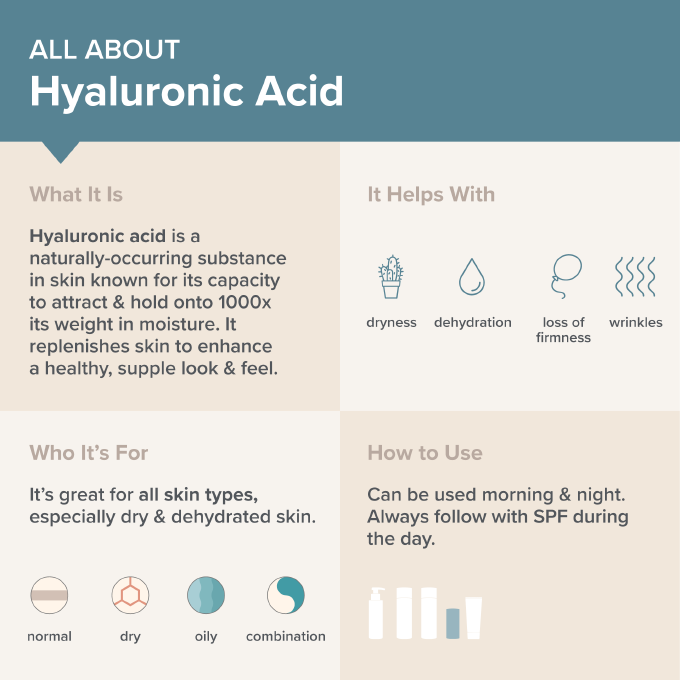
Hyaluronic acid is a naturally occurring substance in our bodies that helps retain moisture in the skin. Hyaluronic acid cream is a skincare product that contains this hydrating ingredient to boost moisture levels in the skin.
If you’re looking to achieve plump, hydrated, and youthful-looking skin, incorporating hyaluronic acid cream into your routine can be beneficial.
Dos of Using Hyaluronic Acid Cream
When it comes to using hyaluronic acid cream, there are several dos that you should keep in mind to maximize the benefits of this skincare ingredient.
-
Apply Hyaluronic Acid Cream on Damp Skin: Hyaluronic acid works best when applied to damp skin. After cleansing your face, pat it dry with a towel and apply the cream while your skin is still slightly damp. This will help lock in moisture and provide optimal hydration.
-
Use Hyaluronic Acid Cream Twice a Day: For best results, incorporate hyaluronic acid cream into both your morning and evening skincare routines. Applying it consistently will help maintain hydration levels throughout the day and night.
-
Layer Hyaluronic Acid Cream with Other Products: Hyaluronic acid cream is a versatile skincare ingredient that can be layered with other products in your routine. You can apply it before or after serums, moisturizers, and oils to enhance hydration.
-
Massage Hyaluronic Acid Cream Gently into the Skin: When applying hyaluronic acid cream, be sure to massage it gently into your skin using upward and outward motions. This will help the product penetrate deeper into the skin and maximize its hydrating benefits.
-
Follow Hyaluronic Acid Cream with SPF: If you’re using hyaluronic acid cream in your morning routine, make sure to follow it with a broad-spectrum sunscreen. This will protect your skin from harmful UV rays and prevent dehydration.
Don’ts of Using Hyaluronic Acid Cream
While hyaluronic acid cream can be a beneficial addition to your skincare routine, there are also some don’ts that you should be aware of to avoid potential pitfalls.
-
Don’t Apply Hyaluronic Acid Cream on Dry Skin: Hyaluronic acid works by drawing moisture from the environment into your skin. If you apply it on dry skin, it can actually pull moisture from the deeper layers of your skin, leading to dryness. Make sure to dampen your skin before applying hyaluronic acid cream.
-
Avoid Overusing Hyaluronic Acid Cream: While hyaluronic acid is generally safe for all skin types, using too much of it can potentially cause irritation or sensitivity. Follow the recommended usage instructions on the product and adjust based on your skin’s individual needs.
-
Don’t Mix Hyaluronic Acid with Vitamin C: While both hyaluronic acid and vitamin C are beneficial skincare ingredients, they should not be used together. Vitamin C is best applied in the morning to protect against free radicals, while hyaluronic acid is ideal for hydrating the skin. Use them at separate times to avoid potential interactions.
-
Avoid Using Harsh Exfoliants with Hyaluronic Acid Cream: If you’re using products that contain exfoliating acids or retinol in your skincare routine, be cautious when layering them with hyaluronic acid cream. These potent ingredients can potentially strip away the hydrating benefits of hyaluronic acid, so it’s best to use them at different times of the day.
-
Don’t Skip Patch Testing: Before incorporating a new hyaluronic acid cream into your routine, it’s essential to patch test it on a small area of your skin to check for any allergic reactions or sensitivities. This simple step can help prevent adverse effects and ensure that the product is suitable for your skin.
Benefits of Hyaluronic Acid Cream
Hyaluronic acid cream offers a range of benefits for the skin, making it a popular choice in skincare routines worldwide. Understanding these benefits can help you make an informed decision about incorporating hyaluronic acid cream into your regimen.
Enhanced Hydration
Hyaluronic acid is known for its ability to hold up to 1000 times its weight in water, making it a powerhouse ingredient for hydration. When applied topically, hyaluronic acid cream can help replenish moisture levels in the skin, leaving it plump, supple, and dewy.
Improved Skin Texture
By boosting hydration levels, hyaluronic acid cream can help improve the texture of your skin. Dry, rough patches can become smoother, and fine lines and wrinkles may appear less noticeable with regular use of hyaluronic acid cream.
Anti-Aging Properties
One of the key benefits of hyaluronic acid cream is its anti-aging properties. By promoting collagen production and maintaining skin elasticity, hyaluronic acid can help reduce the appearance of wrinkles and fine lines, resulting in a more youthful complexion.
Soothing and Calming
Hyaluronic acid cream is gentle and well-tolerated by most skin types, making it suitable for sensitive skin. Its soothing and calming properties can help reduce redness, irritation, and inflammation, providing relief for those with reactive or compromised skin barriers.
Compatible with Other Skincare Ingredients
Hyaluronic acid cream is versatile and can be easily incorporated into various skincare routines. Whether you have dry, oily, combination, or sensitive skin, hyaluronic acid can complement other products in your regimen, such as serums, moisturizers, and oils.

Choosing the Right Hyaluronic Acid Cream
When selecting a hyaluronic acid cream for your skincare routine, it’s essential to consider factors such as your skin type, concerns, and preferences. With a wide range of products available on the market, finding the right hyaluronic acid cream can seem daunting. Here are some tips to help you choose the perfect one for your skin.
Consider Your Skin Type
Different hyaluronic acid creams are formulated to suit specific skin types, such as dry, oily, combination, or sensitive skin. Consider your skin’s needs and concerns when selecting a hyaluronic acid cream to ensure that it addresses your unique requirements.
Look for Additional Ingredients
Some hyaluronic acid creams contain additional beneficial ingredients, such as peptides, antioxidants, or ceramides, to enhance the overall efficacy of the product. Depending on your skincare goals, you may want to choose a hyaluronic acid cream that offers extra benefits beyond hydration.
Check the Texture and Consistency
Hyaluronic acid creams come in various textures, from lightweight gels to rich creams. Consider your skin’s preferences and needs when selecting a product with a texture and consistency that feels comfortable and nourishing on your skin.
Read Reviews and Recommendations
Before purchasing a hyaluronic acid cream, take the time to read reviews and recommendations from other users or skincare experts. Real-life experiences can help you gauge the product’s effectiveness, texture, and potential results, guiding you in making an informed decision.
Consult with a Dermatologist
If you’re unsure about which hyaluronic acid cream is best for your skin, consider consulting with a dermatologist or skincare professional. They can assess your skin’s needs, issues, and goals, providing personalized recommendations tailored to your specific concerns.

Incorporating Hyaluronic Acid Cream into Your Routine
Once you’ve chosen the right hyaluronic acid cream for your skin, it’s time to incorporate it into your skincare routine for maximum benefits. Whether you’re a skincare novice or a seasoned enthusiast, following a few simple steps can help you make the most of hyaluronic acid cream in your daily regimen.
Morning Routine
In the morning, after cleansing your face, apply a few drops of hyaluronic acid cream to your damp skin. Gently massage it all over your face and neck, focusing on areas that need extra hydration. Follow it with a moisturizer, sunscreen, and makeup if desired.
Evening Routine
In the evening, cleanse your face to remove dirt, oil, and makeup. Apply hyaluronic acid cream to your damp skin, allowing it to absorb fully before continuing with other products. Follow with serums, oils, and a heavier moisturizer to lock in hydration overnight.
Weekly Treatments
For an extra hydration boost, consider incorporating a hyaluronic acid sheet mask into your weekly skincare routine. Sheet masks infused with hyaluronic acid can provide intense hydration and rejuvenation, leaving your skin plump, radiant, and glowing.
Adjust Based on Feedback
As you start using hyaluronic acid cream, pay attention to how your skin reacts and adjusts to the product. If you experience any adverse effects, such as irritation, redness, or breakouts, scale back on the frequency of use or consult with a skincare professional for guidance.
Be Consistent
Consistency is key when it comes to skincare, including hyaluronic acid cream. For optimal results, use the product regularly as recommended, incorporating it into your daily and nightly routines. Over time, you should notice improvements in your skin’s hydration, texture, and overall appearance.

Conclusion
In conclusion, hyaluronic acid cream can be a game-changer in your skincare routine, providing intense hydration, anti-aging benefits, and improved skin texture. By following the dos and don’ts of using hyaluronic acid cream and selecting the right product for your skin type, you can achieve radiant, moisturized, and youthful-looking skin. Remember to be consistent in your routine, listen to your skin’s feedback, and enjoy the glowing results that hyaluronic acid cream can offer.
