
Welcome to the world of facial steaming! If you’ve ever wondered about this skincare trend and whether it’s worth incorporating into your routine, you’re in the right place. Facial steaming involves exposing your skin to steam to open up pores, cleanse, and hydrate your complexion. But is it truly beneficial for all skin types? Let’s dive in and explore the ins and outs of facial steaming to help you decide if it’s the right step for your skincare regimen. What Is Facial Steaming and Should You Include It in Your Skincare Routine
Introduction to Facial Steaming
Facial steaming is a skincare practice that involves exposing your face to steam to cleanse and hydrate your skin. This process helps to open up your pores, making it easier to remove impurities and unclog them. Facial steaming can also improve circulation, allowing for better absorption of skincare products.
How Does Facial Steaming Work?
When you expose your face to steam, the heat causes your pores to open up, allowing for a deeper cleanse. The steam also helps to increase blood flow to your face, which can give you a healthy glow. Overall, facial steaming can help to improve the overall health and appearance of your skin.
The Benefits of Facial Steaming
Facial steaming offers a wide range of benefits for your skin. From deep cleansing to promoting relaxation, here are some of the key advantages of incorporating facial steaming into your skincare routine.
Deep Cleansing
One of the primary benefits of facial steaming is its ability to deeply cleanse your skin. The steam helps to loosen up debris, dirt, and excess oil that may be clogging your pores. This makes it easier to extract impurities and achieve a clearer complexion.
Hydration
Facial steaming can also help to hydrate your skin. The steam can penetrate your skin and add moisture, leaving it feeling soft and supple. This can be especially beneficial for those with dry skin or during colder months when skin tends to become more dehydrated.
Improved Circulation
The heat from the steam can help to improve blood circulation to your face. This increased blood flow can promote a healthy complexion and give you a natural glow. Better circulation also means that your skin can better absorb the skincare products you apply after steaming.
Relaxation
In addition to its skincare benefits, facial steaming can also be a relaxing practice. Taking a few moments to pamper yourself with a steam treatment can help to reduce stress and promote a sense of well-being. It can be a great way to unwind after a long day.

How to Do Facial Steaming at Home
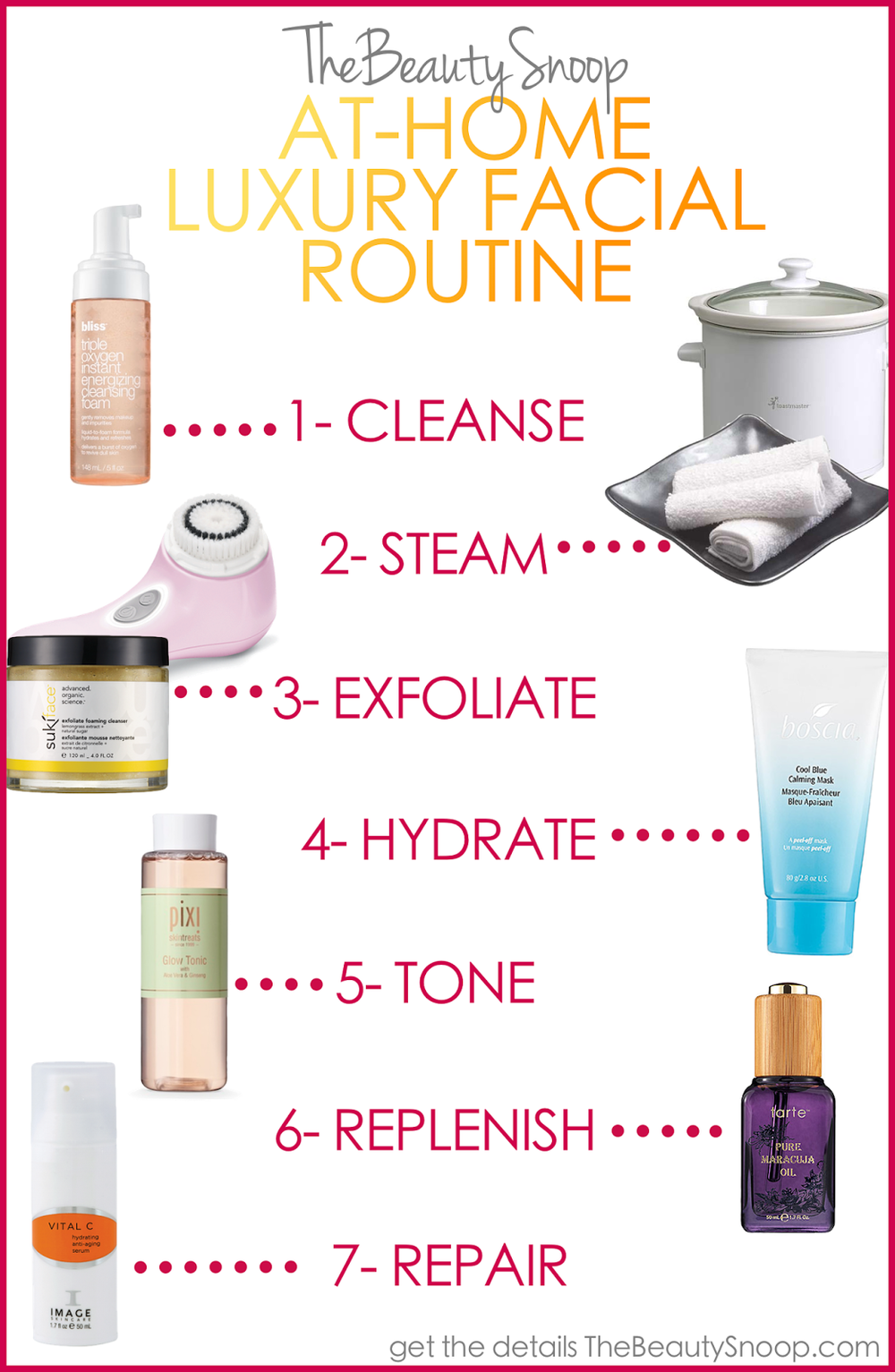
Facial steaming can easily be done at home with just a few simple steps. Here’s a guide on how to incorporate facial steaming into your skincare routine.
Step 1: Cleanse Your Face
Start by cleansing your face with a gentle cleanser to remove any dirt, makeup, or impurities. This will ensure that your skin is clean and ready to receive the benefits of the steam treatment.
Step 2: Boil Water
Boil a pot of water on the stove. You can also add herbs or essential oils to the water for added benefits. Popular choices include lavender for relaxation, chamomile for soothing, and eucalyptus for congestion relief.
Step 3: Steam Your Face
Once the water is boiling, carefully pour it into a heatproof bowl. Place the bowl on a table or flat surface. Next, position your face over the bowl, making sure to keep a safe distance to avoid burning yourself. Drape a towel over your head to help trap the steam.
Step 4: Steam for 5-10 Minutes
Steam your face for 5-10 minutes, being careful not to get too close to the hot water. Take breaks if needed and listen to your skin’s reaction. If you feel uncomfortable or your skin starts to feel irritated, stop the steaming process immediately.
Step 5: Rinse and Moisturize
After steaming, rinse your face with lukewarm water to remove any loosened impurities. Follow up with your regular skincare routine, including toner, serum, and moisturizer to lock in hydration.

Frequency of Facial Steaming
While facial steaming can offer numerous benefits, it’s essential to be mindful of how often you incorporate this practice into your skincare routine. Here are some guidelines for how often you should steam your face.
Once a Week
For most skin types, steaming your face once a week is ideal. This frequency allows you to deeply cleanse your skin without overdoing it. However, if you have sensitive skin or conditions like rosacea or eczema, it’s best to consult with a dermatologist before starting a steaming regimen.
Avoid Overdoing It
As with any skincare practice, it’s possible to overdo facial steaming. Excessive steaming can strip your skin of its natural oils, leading to dryness and irritation. If you notice any negative effects from steaming, such as increased redness or breakouts, reduce the frequency or stop altogether.
Adjust Based on Your Skin’s Needs
Pay attention to how your skin responds to facial steaming. If you notice that your skin is looking dull or congested, you may benefit from steaming more frequently. On the other hand, if your skin starts to feel dry or irritated, scale back on the frequency of steaming.

Who Should Avoid Facial Steaming?
While facial steaming can be beneficial for many people, there are certain individuals who should avoid this practice. If you fall into any of the following categories, it’s best to skip facial steaming or consult with a skincare professional before trying it.
Severe Acne
If you have severe acne or active breakouts, facial steaming may exacerbate the condition. The heat from the steam can potentially worsen inflammation and lead to more significant breakouts. It’s essential to focus on calming and healing your skin through other methods before considering facial steaming.
Sensitive Skin
Individuals with sensitive skin may find that facial steaming causes redness, irritation, or increased sensitivity. The heat and steam can be too harsh for sensitive skin types, leading to adverse reactions. If you have sensitive skin, it’s best to avoid facial steaming or try a patch test first to assess your skin’s tolerance.
Broken Capillaries
If you have broken capillaries or visible blood vessels on your face, facial steaming can dilate them further. This can worsen the appearance of broken capillaries and lead to more significant issues over time. It’s crucial to avoid anything that can aggravate broken capillaries, including facial steaming.

Conclusion
Incorporating facial steaming into your skincare routine can offer a range of benefits, from deep cleansing to improved hydration and circulation. This practice can be a relaxing way to pamper yourself and promote healthy, glowing skin. However, it’s essential to be mindful of how often you steam your face and to listen to your skin’s needs. If you’re considering adding facial steaming to your routine, start slowly and pay attention to how your skin responds. Always consult with a skincare professional if you have any concerns or specific skin conditions. With proper care and attention, facial steaming can be a valuable addition to your skincare regimen.